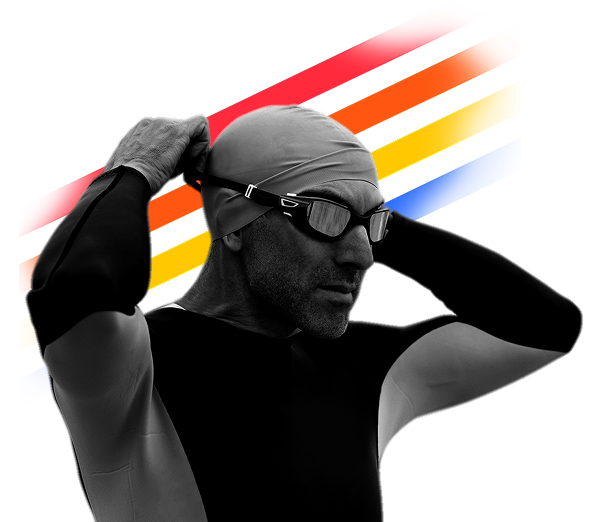
For years, the success of a sports event was measured by clear and seemingly unquestionable metrics: accurate timing, official results, compliance with regulations, and an orderly awards ceremony. For amateur athletes — especially in disciplines such as triathlon, open water swimming, and cycling — those elements remain important, but they are no longer enough.
Today, the value of an event is not defined solely by what happens on race day, but by the entire experience surrounding it.The evolution of athletes’ expectations is forcing organizers and platforms to rethink how they design, communicate, and manage their events.
The Amateur Athlete Is No Longer Just a Competitor
Today’s amateur athlete invests time, money, and emotional energy into every competition. They train for months, organize travel, involve their community, and share their journey. For many, competing is not just a sporting challenge, but a personal and social experience.
In this context, accurate timing is a basic requirement, not a differentiator. What truly makes the difference is how the event supports the athlete before, during, and after the race.
Registration as the First Point of Contact
The experience begins long before the starting line. Confusing registration processes, lack of information, or fragmented communication create friction and frustration from the outset.
Athletes value:
- Clear and streamlined registration
- Centralized, easy-to-find information
- Timely and consistent communication
A well-designed registration process not only simplifies logistics but also conveys professionalism and builds trust. For many participants, this first interaction defines their overall perception of the event.
Clear and Close Communication: A New Expectation
Amateur athletes expect to feel supported. They are not only looking for technical instructions, but for human, clear, and consistent communication.
Emails, messages, and posts that explain the course, schedules, environmental conditions, or available services reduce uncertainty and enhance the experience. Communication is no longer purely informational; it is part of the emotional experience of the event.
Community: Value Beyond the Result
In endurance sports, community plays a central role. Athletes do not compete only against the clock, but alongside others who are going through similar journeys.
Events that encourage interaction before and after the competition create a stronger sense of belonging. Groups, meetups, shared content, and spaces to tell stories strengthen the bond between participants and the event.
When community exists, loyalty happens naturally.
Event Day: A Holistic Experience, Not Just Execution
Competition day remains critical, but the perspective has broadened. Clear signage, organized flows, accessible information, and a coherent overall experience directly impact how athletes remember the event.
Small details — such as well-organized transition areas or clear communication in case of unexpected situations — can make the difference between a positive and a negative experience, regardless of the athletic result.
Post-Event and Digital Memory
For amateur athletes, the event does not end at the finish line. Access to results, photographs, videos, and post-event content is key to closing the experience.
Digital memory — results, images, shared stories — allows athletes to relive their achievement, share it with others, and build a lasting connection with the event. This stage is fundamental for recommendations, repeat participation, and organic growth.
From Events to Sports Experiences
The shift is clear: amateur athletes no longer evaluate an event solely by its technical precision, but by the complete experience it delivers. Accurate timing is essential — but it is no longer enough.
Events that understand this evolution are beginning to be designed as comprehensive sports experiences,where technology, communication, and community work together.
In an increasingly competitive ecosystem, those who succeed in supporting athletes throughout their entire journey — from registration to the final memory — will build events that are sustainable, relevant, and truly memorable.