Sports tourism is no longer just a complement within the tourism industry — it is becoming a strategic pillar for economic, territorial, and cultural development. More and more destinations understand that sport not only attracts visitors, but also builds identity, activates communities, and generates sustainable business over time.
In this context, industry events and professional forums reflect a deeper transformation: the shift from sports tourism based on isolated events to a structured, technology-driven, experience-oriented model..
From One-Off Events to Destination Sports Ecosystems
Traditionally, sports tourism has relied on major events: championships, marathons, international tournaments. Today, that logic is changing. Destinations no longer compete solely to host events, but to design permanent sports ecosystems. diseñar ecosistemas deportivos permanentes.
Disciplines such as:
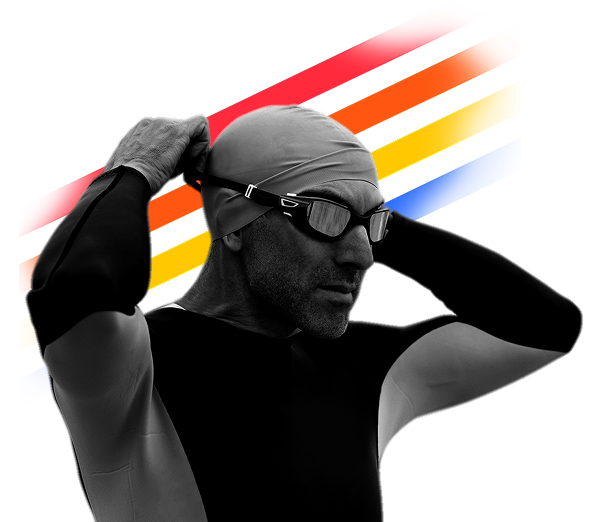
- Open water swimming
- Triathlon
- Cycling
- Outdoor and nature sports
are increasingly integrated into the tourism strategies of coastal regions, mountain areas, and mid-sized cities. The event becomes a trigger, but the real value lies in everything that happens before and after: training, active tourism, community engagement, and the storytelling of the place.
New Business Models in Sports Tourism
The growth of sports tourism is driving more diversified and specialized business models. It is no longer just about selling registrations or travel packages, but about articulating multiple layers of value:
- Organized sports travel (Sports Business Travel)
- Training camps and amateur team or athlete training stays.
- Connected competition circuits
- Hybrid experiences combining sport, culture, and nature
- Events designed for recreational athletes, not only elite competitors
For these models to succeed, professional and technological management is essential. Platforms that integrate registration, communication, data, results, and participant experience are becoming indispensable.
Technology and Data: The New Muscle of Sports Tourism
One of the sector’s biggest shifts is the strategic use of technology and data. Today, destinations and organizers need to answer key questions:
- What type of athlete is traveling?
- How long do they stay?
- What kind of experience are they seeking?
- What is the real return on a sporting event?
Analytics, automation, and smart data usage make it possible to optimize resources, enhance participant experience, and justify public and private investment in sports infrastructure.
In this scenario, technology moves beyond operational support and becomes a tool for planning, decision-making, and sustainability..
Water Sports and Nature: A Strategic Opportunity
The growth of sports tourism is closely linked to nature-based sports. So-called blue sports and outdoor activities are gaining prominence because they respond to a clear demand: authentic, active experiences connected to the environment.
Open water events, oceanman competitions, and triathlons attract not only athletes, but also companions, brands, and media. However, this growth requires balanced management — especially in protected natural environments, where sustainability is no longer optional, but structural.
The challenge is clear: grow without compromising the environment that makes the destination attractive.
Latin America and Sport as a Driver of Territorial Development
In recent years, Latin America has consolidated its position as a key region for sports tourism. Countries such as Mexico, Colombia, and Chile are using sport as a tool for:
- Local economic development
- Territorial cohesion
- International projection of emerging destinations
The combination of geography, strong sports culture, and the growth of amateur athletes positions the region as an ideal laboratory for new formats of sports events and experiences.
The Role of Platforms in This New Stage
In this new landscape, the success of sports tourism depends not only on having strong events, but on how they are managed, connected, and scaled..
Specialized sports event platforms play a central role:
- Professionalizing organization
- Facilitating collaboration between public and private stakeholders
- Improving the athlete and traveler experience
- Generating key data for sustainable growth
The future of sports tourism is not built solely at trade fairs or conferences, but in the ability to transform knowledge into real, efficient systems.
A Sector in Full Transformation
Sports tourism is undergoing a profound redefinition. Innovation, sustainability, technology, and new business models are no longer aspirational concepts — they are necessary conditions for competitiveness.
Destinations, organizers, and platforms that understand this transformation will be better prepared to respond to an increasingly active, informed, and demanding market.
Sport is no longer just a tourism attraction. It is a development strategy.